Staff Report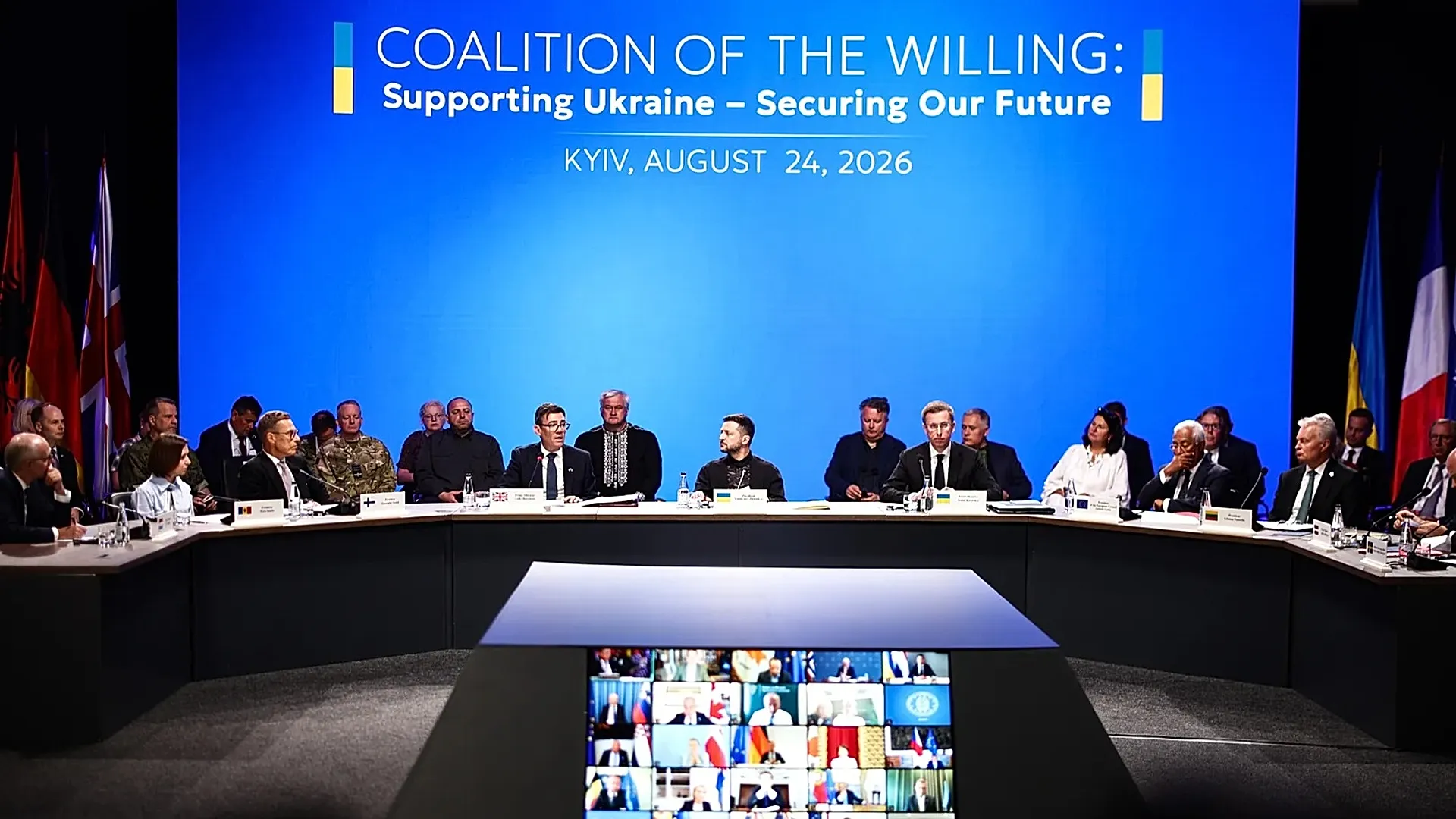
A significant shift in international military aid is underway, as the United Kingdom has agreed to provide Ukraine with critical information regarding the UK-made components of the Franco-British SCALP cruise missile. This decision, following months of intricate negotiations between Kyiv and Paris concerning licensing and local production, effectively clears the path for Ukraine to begin assembling these advanced weapons on its own soil. Luke Pollard, the UK’s Minister for Defence Readiness and Industry, underscored the strategic importance of this move, stating it would significantly bolster Ukraine’s defensive capabilities against ongoing aggression.
This development marks a deeper evolution in Western support for Ukraine, moving beyond the simple supply of finished armaments towards a more profound transfer of technology. For years, nations have shipped military hardware to Kyiv, but the current initiative signals a commitment to empowering Ukraine with the means to manufacture sophisticated systems independently. The SCALP, known as Storm Shadow in Britain, is an air-launched cruise missile renowned for its precision and a range exceeding 250 kilometers, designed for accurate strikes against pre-planned, fixed targets. Ukrainian forces have already deployed these missiles effectively against Russian military installations and infrastructure, including command posts and defense-industry sites both in occupied Ukrainian territories and within Russia itself. The UK was, in fact, the first nation to supply Ukraine with long-range cruise missiles back in 2023.
The announcement of the technology transfer coincided with a gathering of the Coalition of the Willing in Kyiv, where discussions prominently featured the urgent need to protect Ukraine from an intensifying barrage of Russian missile attacks. During the meeting, allied leaders issued a joint declaration, condemning what they described as Russia’s systematic and escalating strikes against Ukrainian cities, critical infrastructure, and civilians. They collectively pledged to strengthen Ukraine’s air defenses as a matter of urgent priority, further committing to the sharing of relevant technologies, including through the Anti-Ballistic Missile Coalition. This collaborative effort comes as Ukraine braces for another harsh winter, anticipating renewed Russian assaults on its urban centers and vital energy infrastructure.
Despite the positive momentum surrounding SCALP production, Ukraine’s most pressing military requirement remains robust defenses against ballistic missiles. For this, Kyiv relies heavily on US-made Patriot systems and PAC-3 interceptors. Ukrainian officials have been actively lobbying Washington not only for additional interceptor missiles but also for the crucial permission to manufacture them domestically. Such an arrangement would provide Ukraine with a more reliable, long-term supply of these essential defensive assets.
The prospect of domestic PAC-3 production has, however, been clouded by mixed signals from Washington. At the NATO summit earlier this July, US President Donald Trump appeared to greenlight the idea, indicating that Washington would grant Ukraine a license to produce the interceptors. Yet, just three weeks later, Trump revised his stance, stating that no final decision had been reached and emphasizing the significant nature of such a technology transfer. Subsequently, US ambassador to NATO Matthew Whitaker further tempered expectations, suggesting that a long-term production agreement was unlikely before winter. He also highlighted that PAC-3 technology remains under strict control due to US export rules. These conflicting messages emerge at a critical juncture, as Ukraine’s inventory of Patriot interceptors dwindles amid an escalating Russian ballistic missile campaign, with anticipated attacks on the country’s energy grid looming this winter. The ability to produce vital defensive and offensive weapons domestically could fundamentally alter Ukraine’s long-term resilience.