Staff Report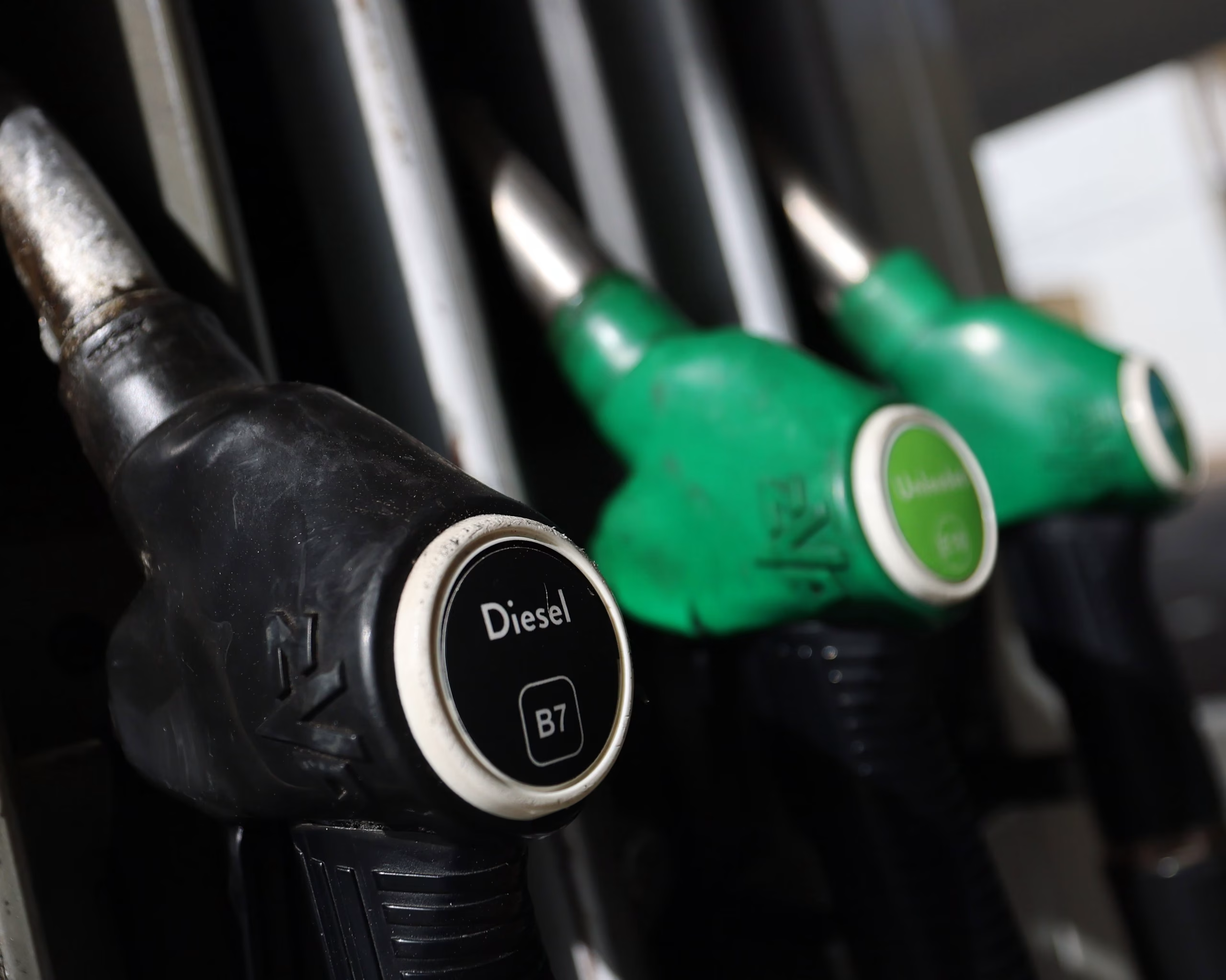
Andy Rain/EPA
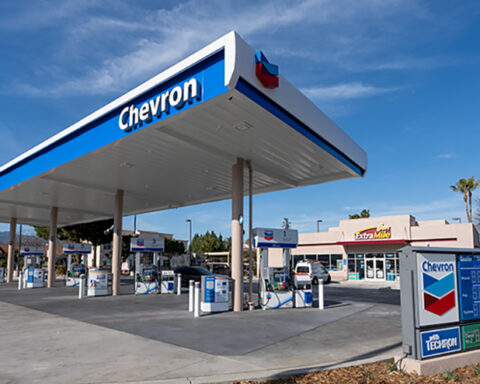
Britain is holding talks with European allies over releasing emergency diesel stockpiles after Donald Trump threatened to cut off US supplies of the fuel, a move that could hit UK pumps especially hard given how reliant the country is on imports.
UK ministers held calls on Thursday with counterparts from the European Commission, Germany, France, Italy and Ireland to discuss drawing down reserves, after the Trump administration told Germany and France to release their own stockpiles or face a potential US export ban. A US official told Reuters, which first reported the warning, that “it is in Europe’s best interest to work with the United States as we pursue multiple pathways to boost the supply of refined products and lower costs for consumers.” Martin McCluskey, the UK minister for local energy, was reportedly on the call.
The pressure reflects White House frustration that France and Germany haven’t followed through on earlier commitments to release oil and petrol stocks, with Trump weighing a broader export ban aimed at lowering domestic US fuel prices ahead of November’s midterm elections.
Europe itself is unlikely to run dry — the continent produces about 70% of the diesel it consumes domestically and holds its own reserves — but experts warn that European buyers competing for cargoes on the global market in response to a US ban could still push prices higher everywhere. The UK is more exposed than most: it doesn’t refine enough diesel to meet domestic demand, and roughly a third of its diesel imports last year came from the United States. It remains unclear whether a US ban would even include the UK.
The squeeze is already showing up at the pump. The average price of a litre of diesel in the UK hit a new all-time high of 199.72p on Wednesday, according to the RAC. Chancellor John Healey admitted earlier this week that UK diesel prices were “extreme” and said the government was in talks with Washington to try to head off a ban.
Elizabeth de Jong, chief executive of trade group Fuels Industry UK, said the latest threat exposed a structural weakness: “The UK continues to need fuels — from transport to chemicals, agriculture and defence,” she said, adding that the situation showed the UK “cannot solely rely on overseas production for domestic energy security.”
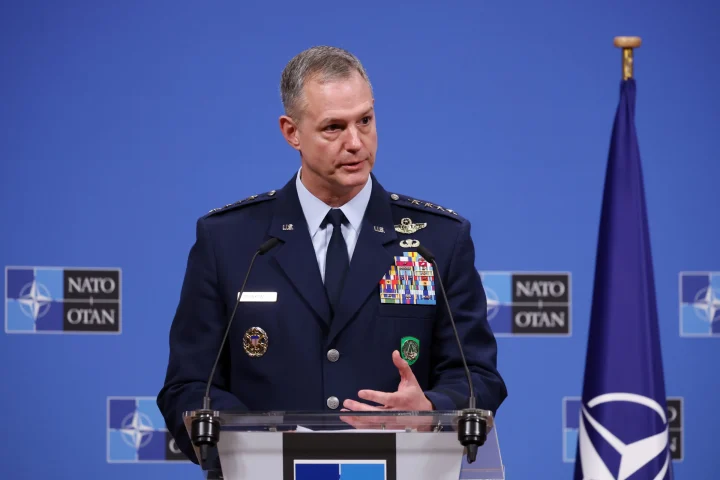
US Energy Secretary Chris Wright said Wednesday that Washington expects announcements from Europe soon on new diesel supplies, pointing to broader disruptions in the market: “We’ve lost some diesel exports from the Middle East, although we’re restoring those, and we’ve lost diesel exports from China. So that’s a lot of interruptions.” UK Energy Secretary Miatta Fahnbulleh has been in direct contact with Wright to raise concerns.
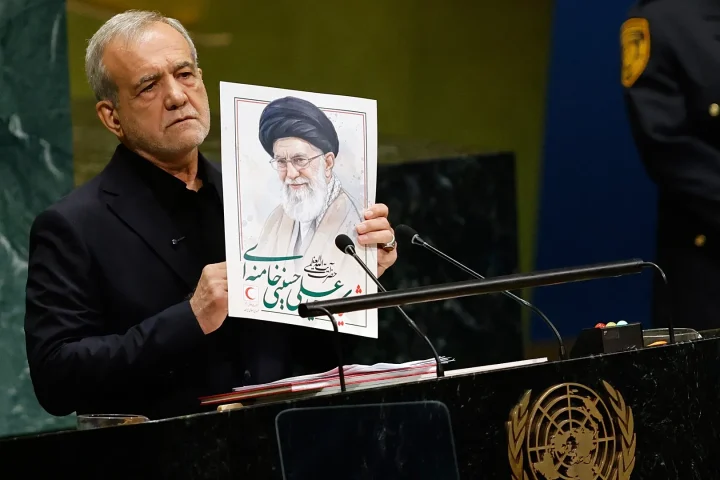
The backdrop is a global oil market already under strain from the war in Iran, which has disrupted energy flows through the Strait of Hormuz. Brent crude traded around $72 a barrel in February, before the war; it was above $101 on Thursday. Trump has also urged Ukrainian President Volodymyr Zelenskyy to pause strikes on Russian oil refineries over concerns they could push prices even higher, while Russia has separately extended its own diesel export ban through the end of October in response to Ukrainian attacks on its refineries.
For European governments, releasing more reserves now creates its own dilemma: balancing relief at the pump today against the risk of needing those same stocks if the Iran war drags on and energy pressures worsen over winter. A UK government spokesperson said: “We have a diverse and resilient supply. We continue to engage with our international partners and the UK fuel industry.”