 Staff Report
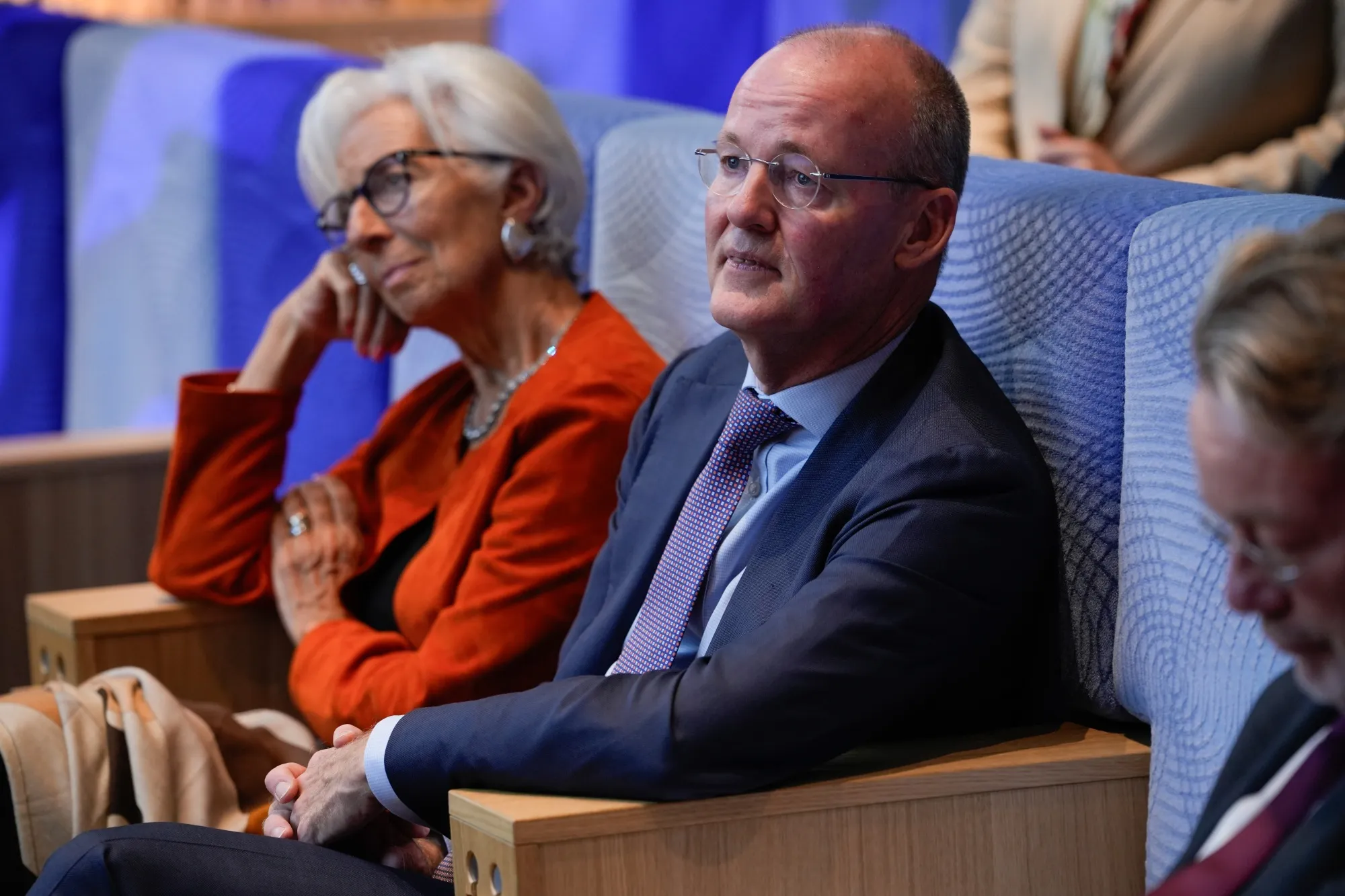
The European Central Bank’s eight-year, non-renewable presidential term was designed specifically to put the role above short-term political calculation, a fixed structure meant to insulate monetary policy from the electoral cycles of any single member state. Christine Lagarde’s decision to leave early is now testing whether that design actually holds up once a president decides the political calendar matters more than the institutional one.
Lagarde has been direct about her reasoning, saying simply that she cannot remain neutral, a striking admission from someone whose entire job is built around the appearance, and reality, of political neutrality. That phrase cuts both ways: it frames her early exit as a matter of personal conviction rather than external pressure, but it also concedes that staying through the normal end of her term would have required a kind of neutrality she no longer felt she could maintain, given how directly French domestic politics now intersects with the timing of her successor’s selection.
The timing itself is the crux of the independence debate. Lagarde’s departure lands ahead of France’s next presidential election, creating what some observers describe as a narrow but real opportunity for European leaders to settle on her replacement while the current, centrist French government is still in office, rather than risk a different political outcome shaping the choice.
Critics argue that's precisely the problem. One framing circulating among commentators holds that the ECB is risking its own independence through exactly this kind of maneuvering, since an early exit timed around a national election calendar, however well-intentioned, inserts the sort of political calculation into a leadership transition that the eight-year non-renewable term was specifically built to prevent.
The disruption hasn't stayed contained to the presidency alone. Other members of the ECB's executive board have also announced early exits around the same period, compounding the succession question into something closer to a multi-seat reshuffle than a single orderly handover, and raising the stakes on whether the institution can manage several simultaneous transitions without the kind of political horse-trading its term structure was meant to make unnecessary.
What happens next will likely shape how seriously the ECB's term rules are taken going forward. If Lagarde's early exit becomes a template, other future presidents facing inconvenient alignment between their term and a national election calendar may feel licensed to do the same, a precedent that would quietly erode the very insulation from politics the eight-year term was designed to guarantee, even as each individual decision to leave early can be justified, as Lagarde has justified hers, in the language of principle rather than politics.