Staff Report
The geopolitical landscape along the Caspian Sea has shifted dramatically as Azerbaijani border forces take on an unexpected role as humanitarian responders. At the Astara crossing, a critical artery connecting Azerbaijan and Iran, soldiers are currently facilitating the safe passage and care of individuals fleeing the intensifying internal instability within the Islamic Republic. This development represents a significant pivot in the region, where border security often focuses on strict regulation rather than large-scale social support.
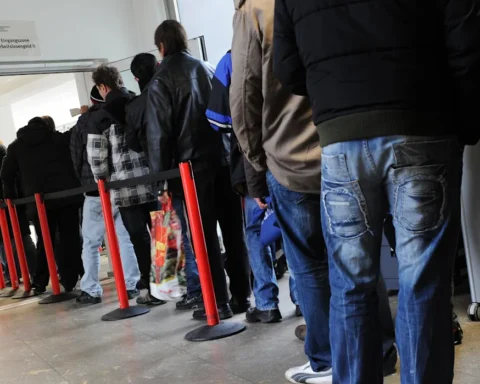
Eyewitness reports from the border town of Astara describe a scene of organized urgency. Azerbaijani military personnel have established temporary stations to provide food, clean water, and basic medical attention to families arriving from the south. The influx consists largely of women, children, and the elderly, many of whom have traveled significant distances to escape the escalating civil unrest and economic paralysis currently gripping major Iranian urban centers. The decision to allow this level of assistance suggests a coordinated policy shift from the central government in Baku, prioritizing regional stability and human welfare over traditional isolationist border protocols.
Logistics at the Astara crossing have been strained by the sheer volume of arrivals, yet the Azerbaijani State Border Service has managed to maintain order through a series of triage points. Soldiers are seen assisting with heavy luggage, distributing thermal blankets, and coordinating with local medical teams to address cases of exhaustion and exposure. This humanitarian gesture serves as a stark contrast to the often-tense diplomatic relationship between Baku and Tehran, which has been marred by disagreements over trade routes and political influence in recent years.
International observers suggest that Azerbaijan’s proactive stance is twofold. While the immediate goal is to prevent a humanitarian catastrophe on its doorstep, there is also a strategic element at play. By managing the flow of people in a structured manner, Azerbaijan is ensuring that the sudden population movement does not lead to chaos in its southern districts. The presence of disciplined military units provides a sense of security for both the local Azerbaijani residents and the incoming refugees, mitigating the risk of border skirmishes or unauthorized crossings that could further inflame tensions between the two nations.
Local non-governmental organizations have begun to supplement the military’s efforts, bringing in supplies from nearby cities like Lankaran. However, the military remains the primary authority on the ground. The soldiers, trained for combat and surveillance, are now navigating the complexities of crowd control and emergency aid. Their presence has been instrumental in processing documentation quickly, allowing those with family ties in Azerbaijan to move deeper into the country while providing temporary shelter for those with nowhere else to go.
As the situation in Iran remains fluid and unpredictable, the Astara border has become a microcosm of the broader challenges facing the Caucasus. The humanitarian corridor established by Azerbaijani forces highlights the interconnectedness of these neighboring states. Any prolonged disruption in Iran inevitably spills over its borders, and Baku appears determined to manage this spillover with a mix of military precision and compassionate intervention.
For now, the gates at Astara remain a symbol of reprieve for many. The images of soldiers handing out bread and water to weary travelers are circulating widely, potentially reshaping the public image of the Azerbaijani military on the global stage. As the sun sets over the border, the work continues, with more groups expected to arrive under the cover of darkness. The sustainability of this operation will depend on how long the internal conflict in Iran persists and whether international aid agencies will eventually step in to support Azerbaijan’s unilateral efforts.