Staff Report
The Balearic island of Mallorca has officially inaugurated a breathtaking new 100-kilometer hiking route that promises to redefine adventure tourism in the Mediterranean. This ambitious project, which has been years in the making, connects a series of historic pathways and coastal cliffs to offer travelers an immersive experience through some of the most rugged and untouched terrain in the region.
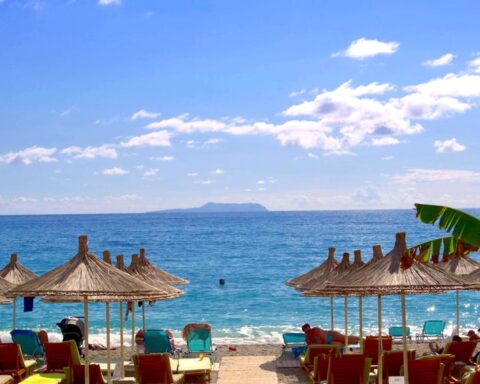
Known as the Camí de Cavalls extension or more locally referred to as the Great Island Circuit, the trail winds through the northeastern stretches of the island, specifically targeting the Artà and Llevant regions. Unlike the more famous dry stone routes of the Tramuntana mountains, this new path focuses on the dramatic intersection of turquoise waters and limestone bluffs. It provides a unique vantage point of the Mediterranean that was previously inaccessible to the general public due to private land restrictions and overgrown brush.
Local authorities spent months negotiating access rights and restoring ancient stone markers to ensure the trail remained authentic to the island’s heritage. The result is a path that serves as both a physical challenge and a historical tour. Hikers will encounter secluded coves, ruins from the Talayotic period, and defensive towers built centuries ago to guard against pirate raids. The initiative is part of a broader strategy by the Mallorcan government to promote sustainable tourism and encourage visitors to explore the island beyond the traditional summer beach season.
Environmental impact was a primary concern during the development phase. Trail designers used traditional construction methods to minimize the carbon footprint of the project, employing local craftsmen to repair stone walls and clear paths without the use of heavy machinery. By diverting foot traffic away from overcrowded coastal resorts, officials hope to distribute the economic benefits of tourism more evenly across the rural municipalities of the island. Small guesthouses and local eateries in the villages along the route are already reporting an uptick in bookings from European trekking enthusiasts.
For the modern hiker, the trail offers varying levels of difficulty. While some sections are relatively flat and follow the gentle curves of the shoreline, other segments require significant elevation gains over rocky terrain. The 100-kilometer journey is typically broken down into five or six stages, allowing walkers to stop in traditional Mallorcan towns each evening to sample local gastronomy. This blend of physical exertion and cultural immersion is exactly what the modern traveler seeks in a post-pandemic world.
Safety and accessibility have also been prioritized. The entire length of the trail is marked with standardized signage, and a new digital mapping system allows hikers to track their progress via GPS. However, despite these modern conveniences, the trail maintains a sense of isolation and tranquility. Long stretches of the path offer nothing but the sound of the waves and the scent of wild rosemary and pine, providing a stark contrast to the bustling ports of Palma.
As the outdoor recreation industry continues to grow, Mallorca is positioning itself as a premier destination for world-class trekking. This new 100-kilometer route represents a significant investment in the island’s natural capital and a commitment to preserving its ecological beauty for future generations. For those looking to see a different side of the Balearics, the trail offers a rare opportunity to walk through history while surrounded by one of the most beautiful coastlines in the world.