Staff Report
The landscape of Macao is undergoing a significant transformation as the city moves beyond its traditional reputation to embrace a multifaceted identity rooted in culture, entertainment, and urban renewal. Long recognized for its world-class hospitality and heritage sites, Macao is now pivoting toward a future defined by diverse event programming and the revitalization of historic neighborhoods. This strategic shift is designed to capture a broader international audience while providing residents with a refreshed sense of community and pride.
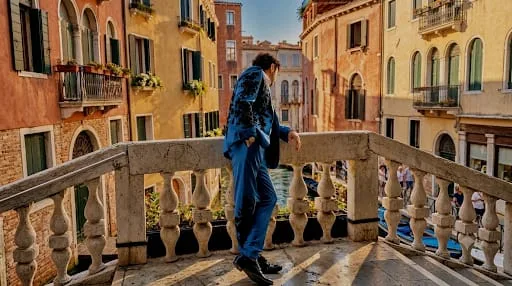
At the heart of this evolution is the emergence of new districts that blend the city’s unique Portuguese and Chinese heritage with modern architectural innovation. These areas are no longer just points on a map but have become living breathing hubs of activity. By repurposing older structures and integrating green spaces, planners have created environments where local artisans, high-end retailers, and culinary innovators can coexist. This buzzing atmosphere is attracting a younger demographic of travelers who seek authenticity and immersive experiences over the standard tourist trail.
The calendar for the coming year is already packed with grand openings and international festivals that highlight Macao’s growing influence on the global stage. From high-octane sporting events to delicate art exhibitions, the variety of offerings ensures that there is something for every type of visitor. Local authorities have been working closely with private sector partners to ensure that these events are not just temporary spectacles but sustainable contributors to the local economy. The focus has shifted toward high-quality, long-term investments in the creative industries, which are quickly becoming a pillar of Macao’s economic diversification strategy.
Culinary tourism remains a cornerstone of the Macao experience, but even this sector is seeing a wave of modernization. The new districts are home to experimental dining concepts that fuse traditional flavors with contemporary techniques, earning the city further accolades as a UNESCO Creative City of Gastronomy. Visitors can now spend their days wandering through cobblestone alleys filled with street food history and their evenings in sleek, glass-fronted restaurants overlooking the harbor. This duality is what makes the current era of Macao so compelling for those who have visited many times before.
Infrastructure improvements have also played a crucial role in making these new areas accessible. Enhanced transportation links and pedestrian-friendly walkways have bridged the gap between the historic center and the newly developed zones. This connectivity allows for a seamless flow of foot traffic, encouraging exploration beyond the well-known landmarks. As these districts continue to mature, they are expected to host permanent installations and interactive museums that will provide year-round engagement, ensuring that the city’s momentum does not stall between major festivals.
Looking ahead, the commitment to maintaining this dynamic pace seems unwavering. The integration of technology, such as augmented reality tours and smart city initiatives, is further enhancing the way people interact with Macao’s urban fabric. By staying ahead of global travel trends and prioritizing cultural depth, Macao is successfully rebranding itself as a premier destination for the modern age. The energy currently felt across the city is a testament to a well-executed vision that honors the past while building a vibrant, inclusive future for everyone who walks its storied streets.