Staff Report
European heads of state and top officials in Brussels marked International Women’s Day by shifting the traditional narrative from symbolic gestures toward a more rigorous legislative agenda. While the day has historically been used for commemorative speeches, this year’s observation saw a distinct focus on the persistent economic disparities and legal gaps that continue to affect women across the European Union’s member states.
European Commission President Ursula von der Leyen led the discourse by emphasizing that equality is not merely a social aspiration but a fundamental requirement for a thriving economy. She pointed to recent data suggesting that bridging the gender employment gap could significantly boost the region’s gross domestic product. The conversation in Brussels centered on the full implementation of the Pay Transparency Directive, a landmark piece of legislation designed to expose and eliminate the wage gap between men and women performing the same work. Officials noted that transparency remains the most effective tool for empowering workers to demand fair treatment.
In Paris, President Emmanuel Macron used the occasion to highlight the constitutional protection of reproductive rights, a move that has resonated across the continent as a signal of progressive legal shifts. French officials argued that securing these rights within the supreme law of the land provides a necessary safeguard against political volatility. This legislative milestone has prompted similar discussions in neighboring capitals, where activists and lawmakers are debating whether current protections are sufficient to withstand shifting political climates.
Meanwhile, German Chancellor Olaf Scholz addressed the structural barriers that prevent women from reaching senior leadership positions in the private sector. Despite the existence of quota systems for corporate boards, the percentage of women in executive suites remains disproportionately low. The German government indicated that future policy efforts would focus on expanding childcare infrastructure and reforming tax codes that currently disincentivize secondary earners within a household. By addressing these practical hurdles, the administration hopes to create an environment where professional advancement is not a choice between career and family.
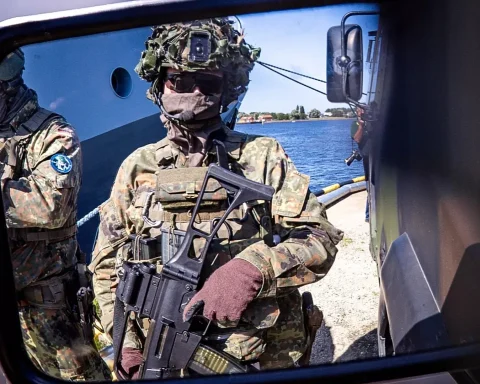
Security and defense also played a prominent role in this year’s observations. High-ranking officials noted the specific vulnerabilities women face in conflict zones, particularly as the war in Ukraine continues to impact the eastern flank of the continent. There is a growing consensus among European defense ministers that gender perspectives must be integrated into military planning and humanitarian responses. This shift reflects a broader understanding that security policy is most effective when it accounts for the diverse experiences of the entire population.
Economic analysts watching the developments in Brussels suggest that the tone of this year’s International Women’s Day reflects a more pragmatic approach to governance. Rather than relying on rhetoric, leaders are being held accountable for the slow pace of change in the labor market. The persistent issue of unpaid domestic labor was also a primary topic of discussion, with several nations proposing new models for parental leave that encourage a more equitable distribution of responsibilities at home.
As the day concluded, the overarching message from the European leadership was one of cautious optimism tempered by an acknowledgment of the work remaining. The transition from celebration to policy-driven action marks a new chapter in the continent’s approach to gender issues. While the legal frameworks are being strengthened, the real test will lie in the enforcement of these new rules and the measurable impact they have on the daily lives of citizens. For now, the focus remains on ensuring that the promises made in high-level chambers translate into tangible progress in workplaces and homes across Europe.