Staff Report
The United Arab Emirates remains steadfast in its commitment to regional stability and economic resilience despite escalating geopolitical tensions across the Middle East. Speaking in a recent diplomatic forum, Dr. Anwar Gargash, a senior diplomatic advisor to the UAE presidency, emphasized that the nation is uniquely positioned to withstand the external shocks of potential conflict. His remarks underscore a growing confidence within the Gulf state regarding its diversified economy and its ability to maintain a path of progress even as neighboring actors pursue more destructive agendas.
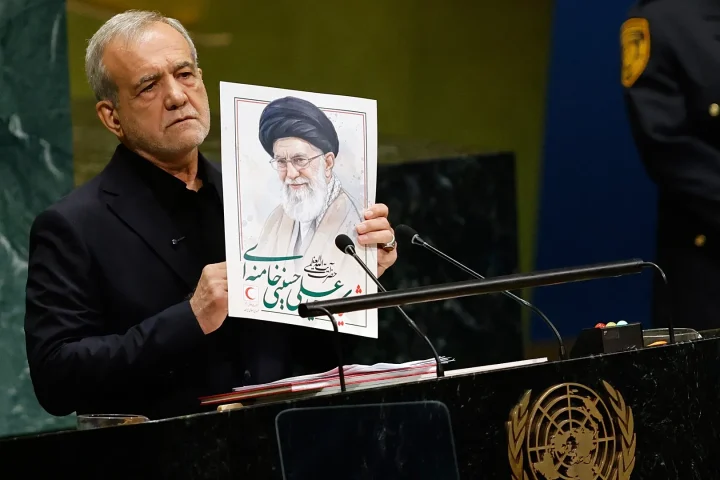
Central to the UAE’s current foreign policy is a firm rejection of what Gargash describes as the nihilistic tendencies of the Iranian leadership. This terminology highlights a deep-seated ideological rift between nations seeking to build global trade hubs and those accused of prioritizing regional proxy warfare over the prosperity of their own citizens. Gargash noted that while the threat of escalation is ever-present, the UAE has spent decades fortifying its infrastructure and financial systems to ensure that a single security crisis cannot derail its long-term national vision.
Economic diversification has been the cornerstone of this defensive strategy. Unlike previous decades where the Gulf was entirely dependent on the unhindered flow of oil through the Strait of Hormuz, the UAE has invested heavily in renewable energy, tourism, technology, and logistics. By positioning Dubai and Abu Dhabi as indispensable nodes in the global supply chain, the government has created a buffer against the volatility typically associated with Middle Eastern political strife. This economic maturity allows the state to take a more assertive diplomatic stance, openly challenging policies that threaten the collective security of the region.
Furthermore, the UAE has been proactive in building a network of international alliances that transcend traditional security pacts. By engaging with both Western powers and emerging economies in Asia, the Emirates has ensured that its stability is a matter of global interest. Gargash pointed out that the international community has a significant stake in preventing any actor from plunging the region into a state of chaos. Any attempt by Iran to disrupt maritime trade or sabotage regional energy projects would be met with a more unified and resilient front than in years past.
However, the rhetoric from Abu Dhabi is not merely about defense. It is also a call for a fundamental shift in how regional politics are conducted. The UAE is championing a model of functional cooperation, where economic development takes precedence over ideological expansionism. By labeling certain regional activities as nihilism, Gargash is signaling that the UAE will no longer tolerate actions that serve no constructive purpose other than the erosion of the current international order. This stance is intended to embolden other regional players to prioritize the welfare of their populations over the export of revolution.
As the situation in the Levant and the Gulf remains fluid, the UAE’s message is one of calm determination. The government is signaling to global investors that the country remains a safe haven for capital and innovation. While the drums of war may beat elsewhere, the leadership in Abu Dhabi is focused on ensuring that the domestic environment remains insulated from the ideological fires burning beyond its borders. The coming months will likely test this resilience, but the groundwork laid over the past twenty years suggests that the UAE is more than capable of navigating the storm.