Staff Report
The quiet streets of Narva, a predominantly Russian-speaking city on the border between Estonia and Russia, have become the latest focal point in a sophisticated psychological operation directed by the Kremlin. For years, the city has maintained a delicate balance, serving as a gateway between the European Union and the Russian Federation. However, recent intelligence reports and social media analysis suggest that Moscow is intensifying its efforts to foster a separatist narrative centered on the creation of a so-called neutral republic.
This information campaign does not rely on traditional military hardware but rather on the strategic manipulation of historical grievances and cultural identity. Analysts observing the region have noted a surge in digital content aimed at convinced Narva residents that they are being marginalized by the central government in Tallinn. By amplifying minor local disputes over language laws and the removal of Soviet era monuments, external actors are attempting to construct a reality where the city exists in a state of permanent friction with the rest of the Estonian state.
European security agencies are particularly concerned by the emergence of the Narva Republic concept within online forums and Telegram channels. While the idea lacks significant grassroots support among the actual inhabitants of the city, its constant repetition in the digital sphere serves a dual purpose. First, it creates a sense of insecurity within Estonia, forcing the government to divert resources toward counter-propaganda and heightened border security. Second, it provides a ready-made pretext for foreign intervention under the guise of protecting ethnic compatriots, a tactic previously seen in the Donbas region of Ukraine.
The Estonian government has responded to these challenges by increasing investment in the Ida-Viru county, where Narva is located. Officials recognize that the best defense against information warfare is social cohesion and economic stability. By improving local infrastructure and ensuring that Russian-speaking citizens have access to high-quality, independent media in their own language, Tallinn hopes to immunize the population against the divisive rhetoric flowing from across the border.
Local leaders in Narva have largely dismissed the notion of a separatist movement as an artificial construct. Most residents are well aware of the economic advantages that come with Estonian citizenship and European Union membership, particularly when compared to the current economic climate in Russia. The freedom of movement and the stability of the Euro are powerful incentives that remain more influential than the nostalgic appeals broadcast by Kremlin-aligned media outlets.
Despite the lack of local appetite for an actual uprising, the persistence of the narrative remains a significant threat. Information warfare is often a game of attrition, designed to gradually erode trust in democratic institutions over many years. The constant barrage of misinformation regarding the status of Narva is intended to make the impossible seem plausible, creating a fog of uncertainty that can be exploited during a broader geopolitical crisis.
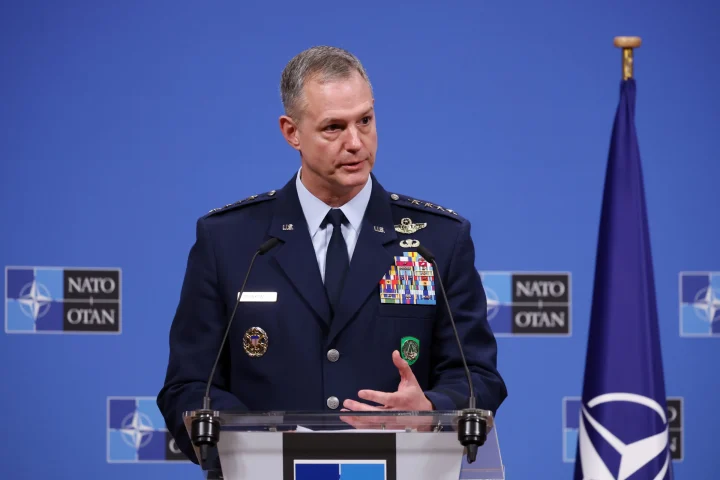
As NATO continues to bolster its eastern flank, the psychological integrity of border cities like Narva has become as important as the physical presence of troops. The battle for Narva is currently being fought in the minds of its citizens and on the screens of their smartphones. Success for Estonia and its allies will depend on their ability to provide a more compelling and inclusive vision of the future than the fractured, conflict-driven narratives currently being exported by Moscow. The coming months will test whether a European identity can withstand the pressure of a coordinated campaign designed to tear the social fabric of the Baltics apart.