Staff Report
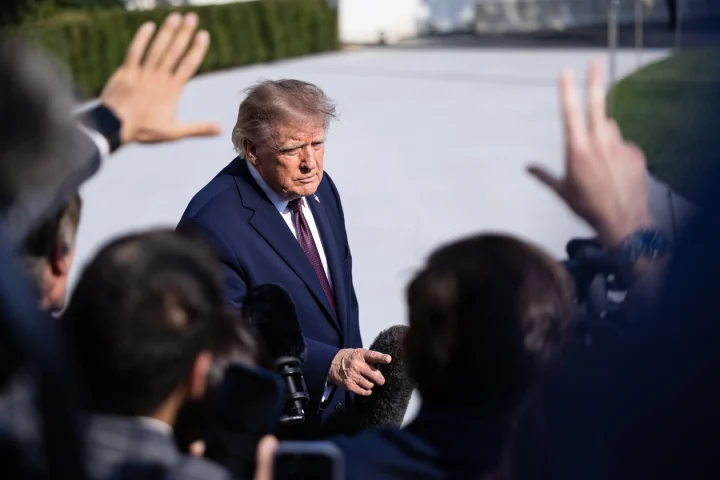
A significant shift in geopolitical rhetoric has emerged as Donald Trump intensifies his stance toward Middle Eastern energy assets. During a recent series of policy discussions, the former president articulated a strategy that targets the economic heart of the Iranian regime. At the center of this proposed pressure campaign is the South Pars gas field, a massive offshore reserve that serves as the primary engine for Iran’s domestic energy consumption and regional export capabilities.
Legal and military analysts are closely examining the implications of such a direct threat against civilian infrastructure. The South Pars field is not merely a local asset; it is part of the world’s largest natural gas deposit, shared between Iran and Qatar. Any kinetic action against these facilities would likely have catastrophic environmental consequences for the Persian Gulf and could trigger a massive spike in global energy prices. Industry experts suggest that the mere suggestion of targeting such a facility reflects a desire to return to a maximum pressure policy that exceeds the sanctions seen in previous years.
Energy security remains a cornerstone of the current political discourse. For Iran, the South Pars field represents more than 70 percent of its total gas production. The infrastructure supports everything from household heating to heavy industrial manufacturing. By placing this specific site in the crosshairs of his foreign policy platform, Trump is signaling a move toward total economic isolation for Tehran. Critics argue that this approach risks alienating international allies who rely on regional stability, while supporters claim that only a credible threat of force can deter the Iranian leadership’s regional ambitions.
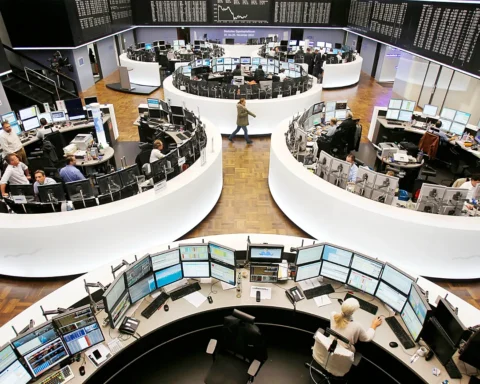
Market reactions to these statements have been cautious but observant. Global oil and gas traders are historically sensitive to instability in the Strait of Hormuz, the primary transit point for energy exports from the region. If the United States were to pursue a policy that involves the physical destruction of energy nodes, the resulting supply shock could disrupt the recovery of several European economies still reeling from previous energy crises. Furthermore, the shared nature of the field with Qatar complicates the diplomatic landscape, as Qatar remains a key strategic partner for Western nations.
Within the broader context of international law, the targeting of energy infrastructure is a highly contentious issue. International observers note that such actions are often viewed through the lens of the Geneva Conventions, which provide protections for objects indispensable to the survival of the civilian population. However, the rhetoric coming from the campaign trail suggests a prioritization of national security interests and the dismantling of the Iranian financial apparatus over traditional diplomatic norms.
As the election cycle progresses, the feasibility of these threats will likely become a point of intense debate. Technical experts point out that ‘blowing up’ a gas field of this magnitude is not a simple military task. The underwater complexity and the sheer scale of the extraction platforms would require a sustained and high-risk operation. Moreover, the long-term ecological damage to the marine ecosystem in the Gulf could take decades to remediate, affecting desalinization plants and fishing industries across multiple neighboring countries.
For now, the international community is left to weigh whether this talk serves as a psychological deterrent or a genuine blueprint for future military engagement. Iran has responded with its own set of warnings, suggesting that any aggression toward its energy sector would be met with a symmetrical response against regional adversaries. This cycle of escalation underscores the fragile peace currently holding in one of the world’s most critical energy corridors. Whether this policy transition eventually manifests as reality or remains a potent piece of political theater, the focus on South Pars has undeniably heightened the stakes for the future of Middle Eastern diplomacy.