Staff Report
The Ukrainian government has formally dismissed a proposal from Moscow regarding a temporary cessation of hostilities centered around the upcoming Victory Day celebrations. Kyiv officials characterized the offer as a tactical maneuver rather than a sincere diplomatic gesture, arguing that short-term pauses in the conflict often serve as a cover for Russian forces to regroup and fortify their positions along the eastern front. This rejection underscores the deep-seated mistrust that has come to define the diplomatic landscape between the two nations since the full-scale invasion began.
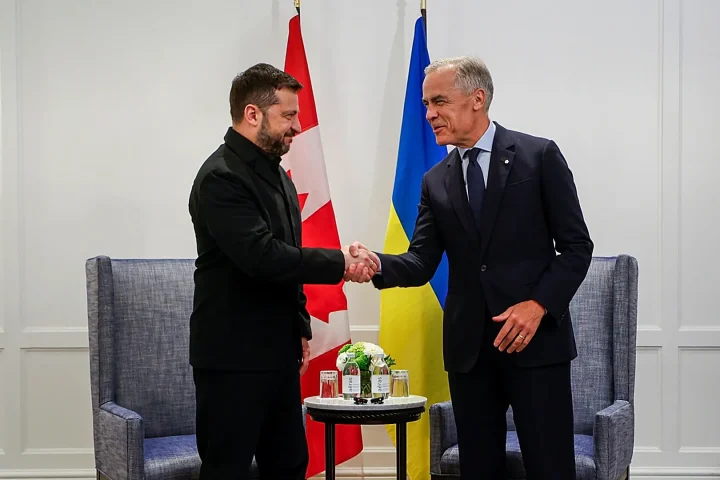
Ukrainian President Volodymyr Zelenskyy emphasized that his administration is no longer interested in localized or time-bound truces that do not address the fundamental issues of territorial integrity and national sovereignty. Instead of a symbolic holiday ceasefire, Ukraine is demanding a structured and comprehensive peace agreement that includes the total withdrawal of Russian troops from internationally recognized Ukrainian borders. The message from the President’s Office was clear: a temporary silence of the guns is a poor substitute for a lasting and legal end to the war.
Strategic analysts suggest that the timing of the Kremlin’s proposal was intended to appeal to international observers and domestic audiences within Russia. By offering a truce during Victory Day, a holiday of immense historical and emotional significance in the post-Soviet space, Moscow attempted to frame itself as a peacemaker. However, the Ukrainian military command remains wary of such overtures. Past experiences with humanitarian corridors and localized ceasefires have frequently resulted in violations, leaving Ukrainian leadership skeptical of any agreement that lacks international enforcement mechanisms.
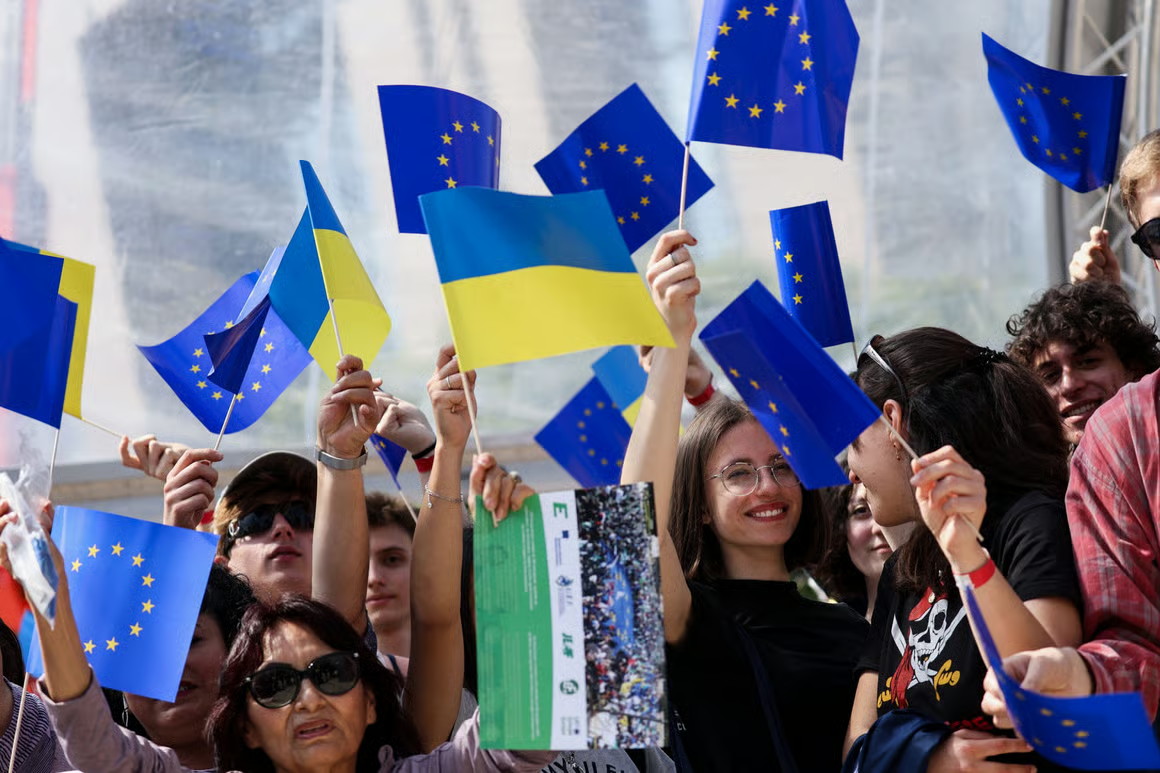
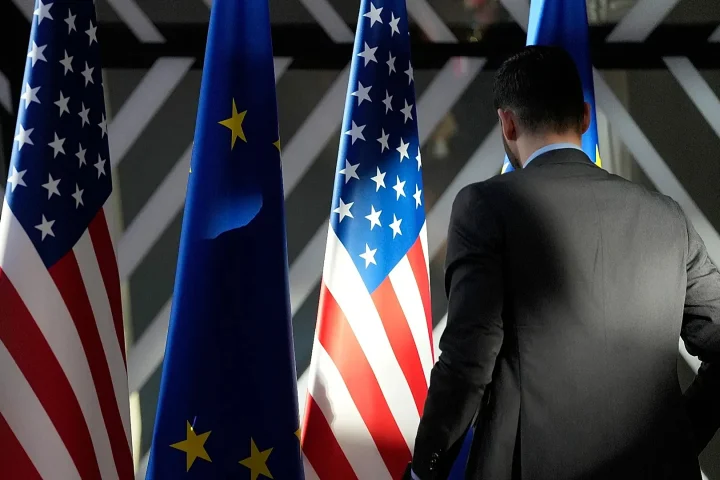
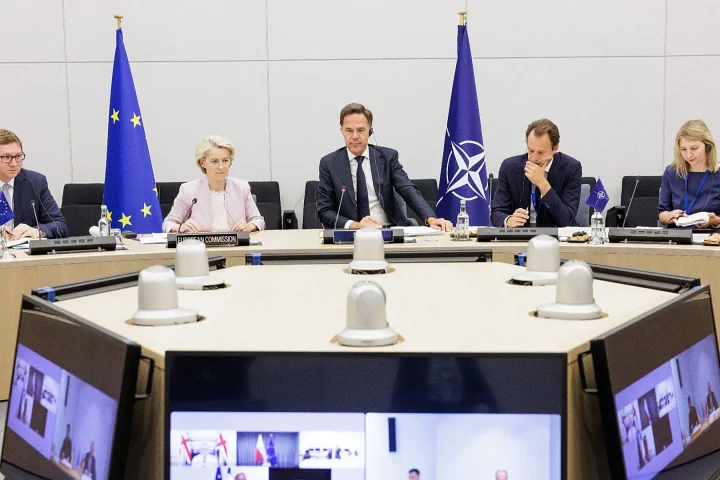
In Washington and Brussels, the response to the failed truce proposal mirrored the sentiment in Kyiv. Allied leaders have reiterated their support for Ukraine’s right to determine the terms of any negotiations. There is a broad consensus among NATO members that a temporary freeze in the conflict would likely benefit the aggressor by allowing for the replenishment of depleted ammunition stocks and the repair of logistics chains that have been hammered by Ukrainian long-range strikes. The focus remains on providing Ukraine with the necessary defensive capabilities to negotiate from a position of strength.
Domestically, the Ukrainian public appears largely supportive of the government’s firm stance. After years of relentless bombardment and the occupation of significant portions of the country, there is little appetite for a deal that leaves the future of occupied territories in limbo. Civil society groups in Kyiv have pointed out that Victory Day has been increasingly militarized by the Russian state, making any truce associated with the date feel more like a political statement than a humanitarian reprieve.
As the conflict enters another critical phase with the arrival of spring, both sides are preparing for intensified operations. The rejection of the Victory Day truce signals that the window for a negotiated settlement remains tightly shut until one side achieves a decisive shift on the battlefield. For now, the focus of the international community is shifting toward a planned peace summit in Switzerland, where Ukraine hopes to consolidate global support for its ten-point peace formula. This roadmap excludes the kind of temporary pauses Moscow recently proposed, focusing instead on nuclear safety, food security, and the return of all deported persons.
The diplomatic deadlock highlights the reality that this war will not be solved through symbolic gestures or historical anniversaries. Ukraine is betting on a long-term strategy that requires sustained Western military aid and economic pressure on Russia. Until Moscow is willing to discuss a complete exit from Ukrainian territory, the sounds of battle will likely drown out any talk of a holiday truce. The path to peace remains long and fraught with difficulty, but for the leadership in Kyiv, a bad peace is worse than a continued struggle for total liberation.