Staff Report
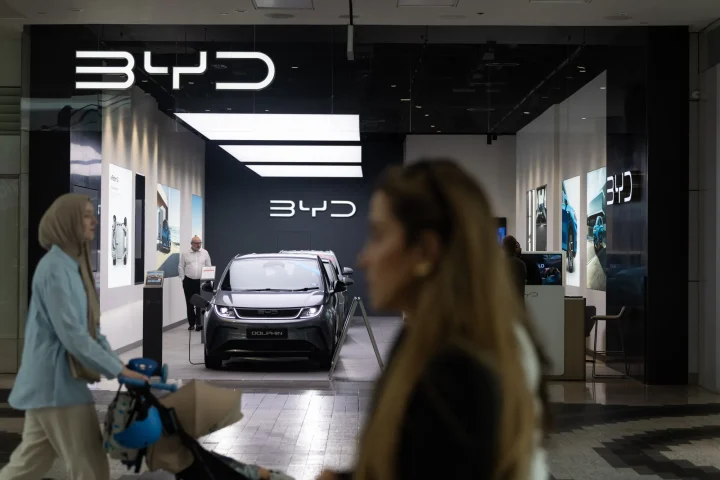
The global automotive landscape is witnessing a significant shift as the Chinese electric vehicle giant BYD intensifies its search for a permanent manufacturing foothold in Europe. Recent reports suggest that the company is not only scouting for shuttered or underutilized factories across the continent but has also expressed a preliminary interest in acquiring the iconic Italian luxury brand Maserati. This dual-track strategy signals a massive escalation in BYD’s ambition to transform from a regional powerhouse into a dominant player in the European market.
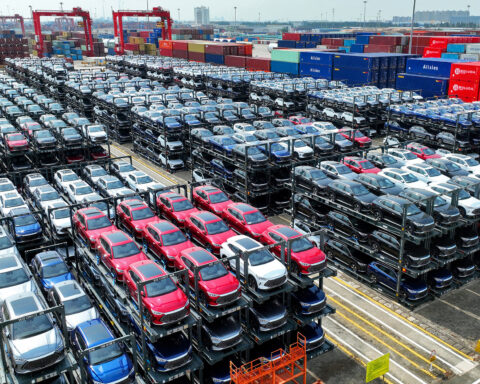
For months, BYD has been evaluating various sites that could serve as its European production hub. The company is reportedly in discussions regarding several idle plants that were previously operated by legacy European carmakers. These facilities, many of which have fallen victim to the industry’s painful transition from internal combustion engines to electric powertrains, offer BYD a turnkey solution to bypass the logistical headaches and environmental hurdles associated with building a factory from the ground up. By repurposing existing infrastructure, the Chinese firm can rapidly scale its local production and avoid the heavy tariffs currently being imposed on vehicles imported from China.
However, the most surprising development is the potential move for Maserati. Currently owned by Stellantis, the luxury brand has struggled with declining sales and a fragmented product lineup in recent years. While Stellantis CEO Carlos Tavares has maintained that the conglomerate is committed to its portfolio, the mounting pressure to improve margins has led to speculation that underperforming brands could be divested. For BYD, acquiring Maserati would provide instant heritage and prestige—qualities that are difficult to manufacture overnight. It would allow the company to compete in the high-end luxury segment with a brand that carries century-long recognition and an established dealership network.
Industry analysts believe that BYD’s interest in European assets is a direct response to the European Union’s protectionist measures. By manufacturing cars within the trade bloc, BYD can market its vehicles as European-made, effectively neutralizing the political and economic friction that has characterized recent trade relations between Brussels and Beijing. This strategy mirrors the one used by Japanese automakers in the 1980s when they established massive plants in the United Kingdom and the United States to circumvent import quotas.
Italy has emerged as a primary focus for these expansion efforts. The Italian government has been vocal about its desire to attract a second major automaker to the country to provide competition for Stellantis and protect the domestic supply chain. If BYD were to take over an idle facility in Italy or strike a deal for Maserati, it would likely receive significant political support and potentially even financial incentives from a government desperate to preserve its historic automotive sector.
Yet, a takeover of an Italian crown jewel like Maserati would not be without controversy. There are significant concerns regarding the transfer of technology and the potential loss of national identity. Critics argue that allowing a Chinese state-backed firm to acquire a brand so deeply rooted in Italian culture could have long-term negative effects on the local industry. Furthermore, integrating a high-performance luxury brand into a high-volume electric vehicle manufacturer presents significant operational challenges. Maserati’s identity is built on the roar of the engine and artisanal craftsmanship, which sits in stark contrast to BYD’s focus on battery efficiency and mass production.
As the negotiations continue behind closed doors, the broader automotive industry is watching closely. Whether BYD successfully acquires Maserati or simply secures a factory in a strategic location, one thing is certain: the era of Chinese dominance in the electric vehicle space is moving into its next phase. The company is no longer content with just selling cars abroad; it wants to own the factories, the brands, and the history that define the European motoring tradition.