Staff Report
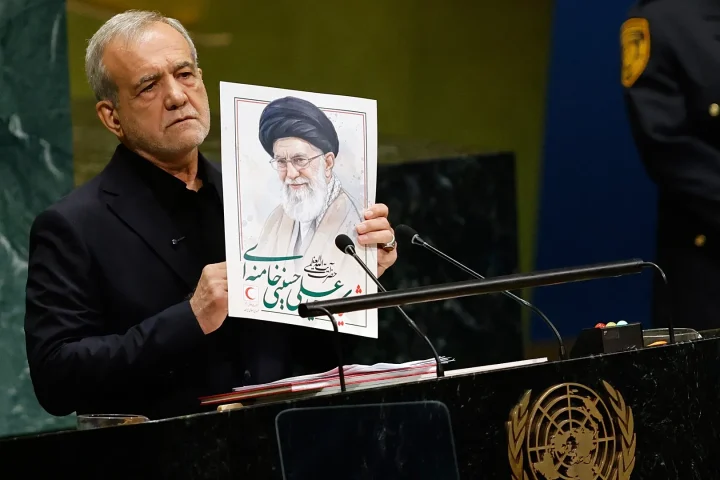
Leaked documents from within the Iranian security apparatus suggest a significant escalation in the government’s response to ongoing domestic instability. Internal directives recently obtained by human rights monitors indicate that field commanders have received authorization to use lethal force against demonstrators in several key provinces. This shift in strategy reflects a hardening stance by the Tehran administration as it attempts to maintain control over a population increasingly vocal about economic hardship and social restrictions.
For several months, various regions across Iran have seen a resurgence of localized protests. While initially sparked by specific grievances such as water shortages or labor disputes, these movements have gradually coalesced into a broader critique of the state’s governance. The latest reports suggest that the Islamic Revolutionary Guard Corps and the Basij paramilitary forces are being mobilized with explicit instructions to prevent any gathering from gaining momentum, even if it requires the use of live ammunition in crowded urban areas.
International observers have expressed grave concern over these developments, noting that the directive marks a departure from standard riot control protocols. In previous years, authorities often relied on tear gas, water cannons, and mass arrests to disperse crowds. However, the new orders appear to bypass these intermediate steps, favoring a more immediate and violent deterrent. The human rights organization Amnesty International has warned that such a policy will inevitably lead to a surge in casualties, further straining the relationship between the state and its citizens.
Inside the country, the atmosphere remains tense as security presence increases in major squares and near university campuses. Residents in Tehran and Isfahan report that mobile internet services have been intermittently throttled, a tactic frequently used by the government to disrupt the organization of protest activities and prevent the documentation of violence on social media. Despite the threat of severe repercussions, small groups of activists continue to distribute literature and organize clandestine meetings, signaling that the fear of the state may no longer be a sufficient deterrent for a disillusioned youth population.
Economically, the country continues to struggle under the weight of international sanctions and systemic mismanagement. Inflation has reached historic highs, making basic necessities unaffordable for millions of middle-class and working-rank families. Analysts argue that the government’s reliance on force is a symptom of its inability to provide meaningful economic relief. Without a viable path toward financial stability, the underlying causes of the unrest remain unaddressed, creating a cycle where repression is the only tool left for the leadership to maintain the status quo.
Foreign policy experts suggest that the timing of this crackdown is also linked to Iran’s broader geopolitical positioning. As the country navigates complex negotiations regarding its nuclear program and manages its involvement in regional conflicts, the leadership is wary of any perception of internal weakness. By projecting an image of total domestic control, even through brutal means, Tehran aims to signal to international adversaries that it remains stable and resolute. However, this strategy carries significant risks, as excessive violence could trigger a backlash from the international community and potentially lead to further sanctions or diplomatic isolation.
The coming weeks will be critical in determining whether these harsh measures will succeed in silencing the opposition or if they will serve as a catalyst for even larger demonstrations. Historically, the use of excessive force has often backfired in the Middle East, turning local grievances into national movements for systemic change. For now, the people of Iran remain caught between a government determined to hold onto power at any cost and a growing desire for a fundamental shift in the nation’s direction.