Staff Report
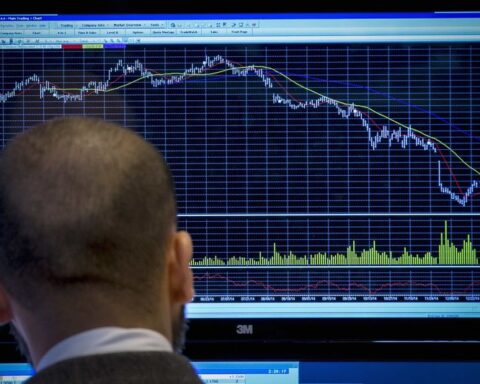
A profound shift is currently unfolding across the international financial landscape as the energy market undergoes its most significant realignment in a generation. The recent surge in crude prices has created a stark divergence between nations that rely on imports to fuel their industries and those that sit atop vast geological reserves. This widening gap is not merely a matter of balance sheets but is fundamentally altering the geopolitical leverage held by major powers.
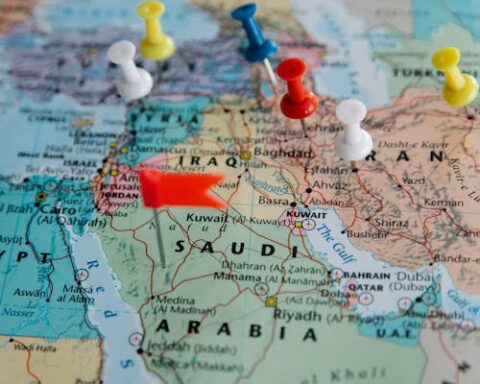
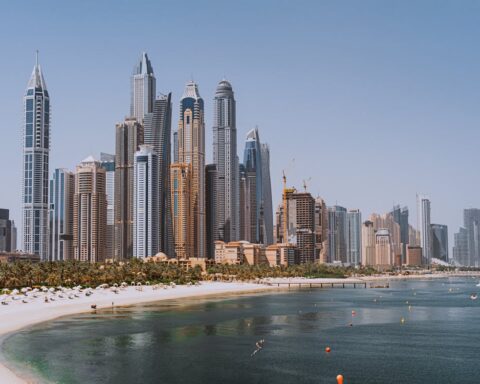
For major exporting nations particularly those within the Gulf Cooperation Council the current environment represents a period of unprecedented capital accumulation. These sovereign wealth funds are ballooning at a record pace allowing for massive domestic diversification projects that aim to future-proof their economies against the eventual transition to renewables. In Riyadh and Abu Dhabi the influx of petrodollars is being funneled into high-tech infrastructure and tourism hubs that were previously deemed too ambitious to fund. This fiscal windfall provides a cushion that allows these states to exert greater influence over global trade routes and diplomatic negotiations.
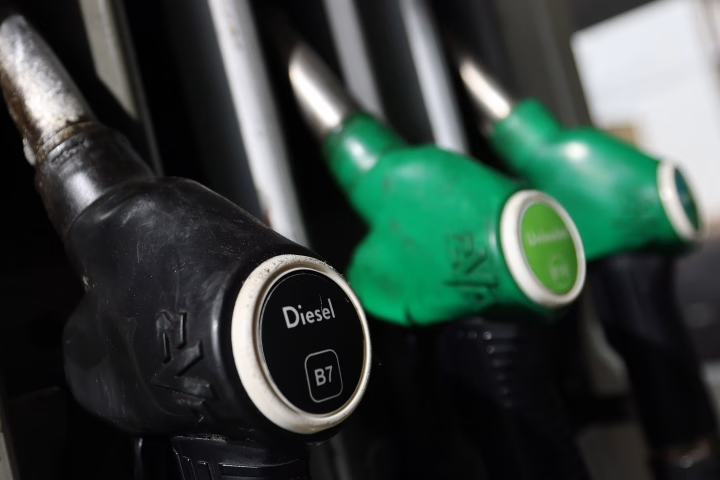
Conversely the narrative is much bleaker for emerging markets in Asia and Eastern Europe that lack domestic energy security. Countries like India and various nations across the European Union find themselves caught in a vice of persistent inflationary pressure. As the cost of shipping and manufacturing rises due to energy overheads these governments are forced to choose between subsidizing fuel to prevent social unrest or allowing prices to float at the risk of stalling industrial growth. The economic strain is particularly evident in the manufacturing sectors where high input costs are eroding profit margins and forcing a slowdown in production cycles.
Wall Street analysts have noted that this energy divide is also impacting the strength of various currencies. The US dollar buoyed by the country’s status as a net exporter of liquefied natural gas and crude remains resilient while the currencies of energy-dependent nations are struggling to maintain their value. This currency depreciation further exacerbates the problem making the purchase of oil which is largely denominated in dollars even more expensive for the struggling importers.
The strategic implications of this split extend into the realm of green energy investment. While wealthy exporters can afford to pivot toward hydrogen and solar power using their oil profits many developing nations are being forced to delay their climate targets. For a country struggling to keep its power grid operational amidst skyrocketing coal and gas prices the long-term goal of carbon neutrality often takes a backseat to immediate economic survival. This creates a two-tier system in the global race toward sustainability with the energy-rich leading the charge while the energy-poor remain tethered to older more expensive fossil fuels.
As the northern hemisphere enters another period of high seasonal demand the volatility in the markets shows no signs of abating. The tension between the OPEC+ consortium and the Western consumer nations continues to define the ceiling of global growth. For now the world remains divided into two distinct camps those who are harvesting the rewards of the current price floor and those who are desperately searching for a way to mitigate the rising cost of doing business in an increasingly expensive world.