Staff Report
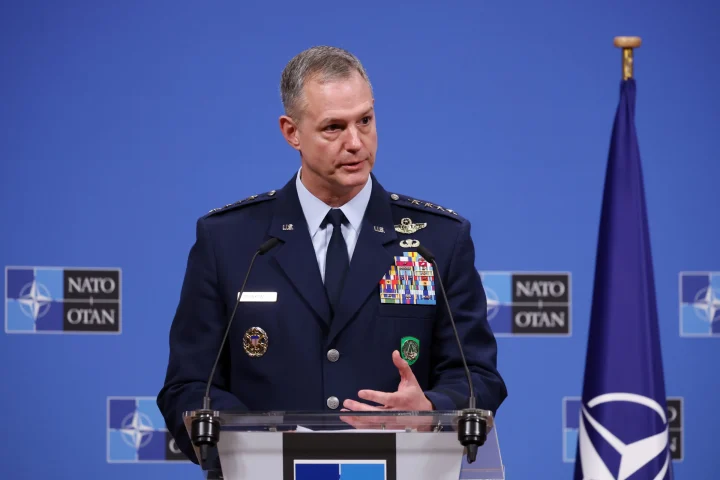
In a move that has sent ripples through the North Atlantic Treaty Organization, the United States government has officially canceled a long-anticipated deployment of additional military personnel to Poland. This decision, confirmed by defense officials and international observers, represents a significant shift in the immediate strategic posture of the Pentagon within Eastern Europe. For months, the arrival of these reinforcements was viewed as a cornerstone of the regional defense strategy, intended to bolster the collective security of the alliance’s eastern flank.
The reversal comes at a sensitive time for transatlantic relations. Military analysts suggest that the sudden change in plans may be the result of shifting budgetary priorities in Washington or a reassessment of the current threat level in the region. While the United States remains the primary security guarantor for many European nations, the withdrawal of this specific commitment raises questions about the long-term consistency of American boots-on-the-ground policies. Polish officials, who have consistently advocated for an increased American presence, are currently seeking clarification on whether this signal indicates a broader pivot in U.S. foreign policy.
Strategically, the deployment was meant to serve as both a deterrent and a training initiative. By integrating American units with Polish forces, the Pentagon aimed to improve interoperability and ensure that the alliance could respond rapidly to any potential incursions. The cancellation of these maneuvers likely necessitates a restructuring of planned joint exercises scheduled for the coming fiscal year. It remains unclear if the resources originally earmarked for this deployment will be redirected to other maritime or aerial defense initiatives instead.
From a diplomatic perspective, the decision could be interpreted in several ways by global actors. Some experts believe that the Biden administration might be attempting to de-escalate tensions by reducing the concentration of forces near sensitive borders. Others argue that domestic political pressures and the need to focus on Indo-Pacific challenges are forcing the Department of Defense to make difficult choices regarding where to station its limited brigade combat teams. Regardless of the internal motivation, the external perception of a reduced American footprint often triggers anxiety among Baltic and Eastern European states.
Despite the cancellation, the U.S. State Department has maintained that its commitment to Article 5—the principle that an attack on one member is an attack on all—remains ironclad. Spokespersons have emphasized that the United States continues to maintain thousands of troops in Poland under existing rotating agreements. They suggest that the scrapped deployment was a specific enhancement rather than a total withdrawal of support. However, for a Polish government that has invested heavily in infrastructure to host American soldiers, the news is a disappointing setback in their quest for a permanent U.S. military base on their soil.
As the geopolitical landscape continues to shift, the focus now turns to how the remaining NATO members will compensate for the absence of these expected American reinforcements. European leaders have been increasingly vocal about the need for ‘strategic autonomy,’ and this latest development from Washington may provide further ammunition for those advocating for a more self-reliant European defense framework. For now, the fields and barracks of Poland will remain quieter than expected, as the Pentagon re-evaluates its global chessboard in an era of constrained resources and evolving international priorities.