Staff Report
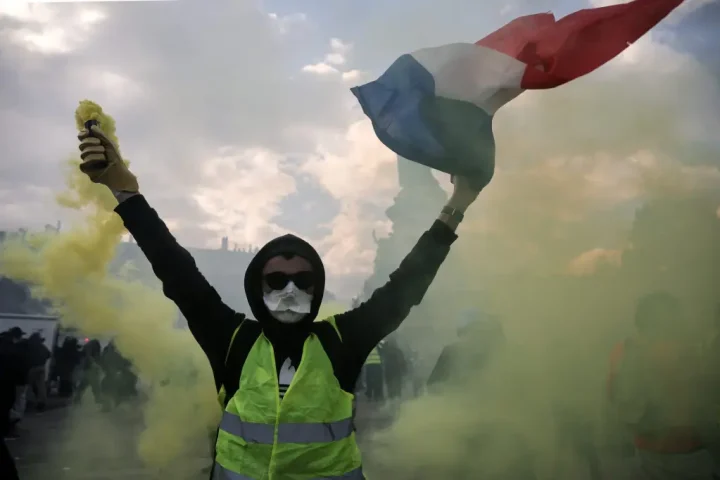
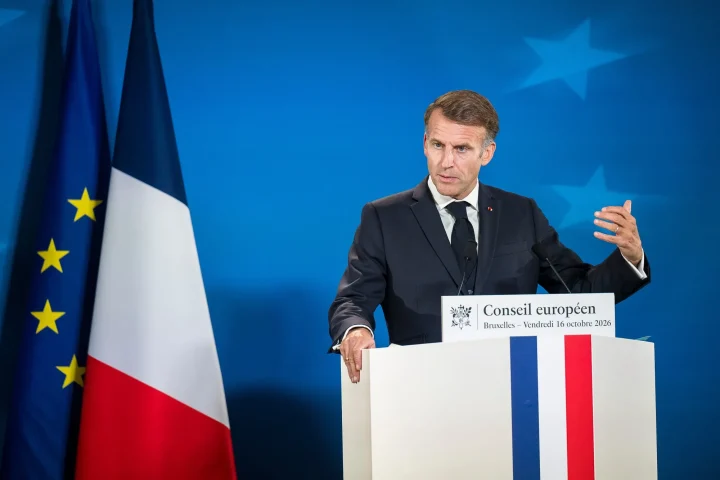
European farmers have voiced increasing frustration over the past two years, citing high operational costs, stringent environmental regulations, and new EU trade agreements that they contend threaten their livelihoods. This discontent has manifested in protests across the continent, highlighting a growing tension between agricultural policy and broader geopolitical demands. The challenges facing the sector appear to be amplifying, prompting a re-evaluation of the European Union’s strategic priorities.
Central to this discussion are the diverging perspectives on how the EU can continue to support its farming communities amidst a more complex global landscape. Ciaran Mulloly, an MEP from the Renew Europe group, firmly believes that the current level of subsidies allocated to farmers, which astonishingly accounts for 30% of the entire EU budget, must remain intact in the upcoming long-term budget negotiations. This financial commitment, currently under discussion among EU member states, represents a substantial portion of the Union’s spending.
Conversely, Pekka Toveri, an MEP representing the European People’s Party, emphasizes the elevated security concerns facing his native Finland, particularly in light of Russia’s actions. Toveri argues for a reprioritization of EU funding towards strengthening security and defense, suggesting that all sectors, including agriculture, must contribute to this effort. He acknowledges the importance of food security but underscores the necessity of a robust defense posture, stating, “We understand the importance of food security and agriculture. But on the other hand, we also know the threat of Russia, which is not only the eastern border. And therefore we need to be stronger in security and defence. And that means everybody has to pitch in, including agriculture.” This sentiment reflects a broader debate within the EU about balancing traditional economic support with emerging security imperatives.
Another significant point of contention revolves around the potential integration of Ukraine into the EU and its implications for existing agricultural subsidies. Ukraine possesses an immense agricultural footprint, boasting approximately 40 million hectares of farmland, an area exceeding the size of Italy. Should Ukraine join the EU, it would contribute an estimated 20% to Europe’s cereal production. Mulloly staunchly opposes any reduction in subsidies or single farm payments for current European farmers to accommodate Ukraine’s accession. He acknowledges the potential contributions of Ukrainian farmers but cautions that their full production output would be equivalent to that of both France and Italy combined, underscoring the immense impact on the current subsidy framework.
While Toveri agrees on the need to protect current farmers, he also advocates for a flexible approach to integrating Ukraine, recognizing its unique position. He suggests that a “unique solution” will be necessary for Ukraine, implying that standard accession procedures might not be entirely suitable given the scale of its agricultural sector. This highlights the complex balancing act the EU faces in expanding its membership while safeguarding the interests of its existing members.
Both MEPs also concur on the critical role farmers play in environmental stewardship, especially in the face of climate change. Toveri points to Finnish farmers, noting their centuries-long connection to the land and their inherent respect for nature. Mulloly echoes this sentiment, characterizing farmers as historical “custodians of the environment” and emphasizing their generational commitment to environmental schemes. This shared understanding suggests an area of potential consensus, where agricultural practices can be aligned with ecological preservation.
A final, pressing concern for both Mulloly and Toveri is the aging demographic of Europe’s farming population. They stress the urgent need for the EU to implement policies that incentivize younger individuals to enter the agricultural sector. Mulloly advocates for an expanded EU farming budget that would facilitate the retirement of older farmers while simultaneously attracting and supporting a new generation of agricultural workers. This focus on generational renewal underscores the long-term sustainability challenges facing European agriculture beyond immediate financial and geopolitical pressures.