Staff Report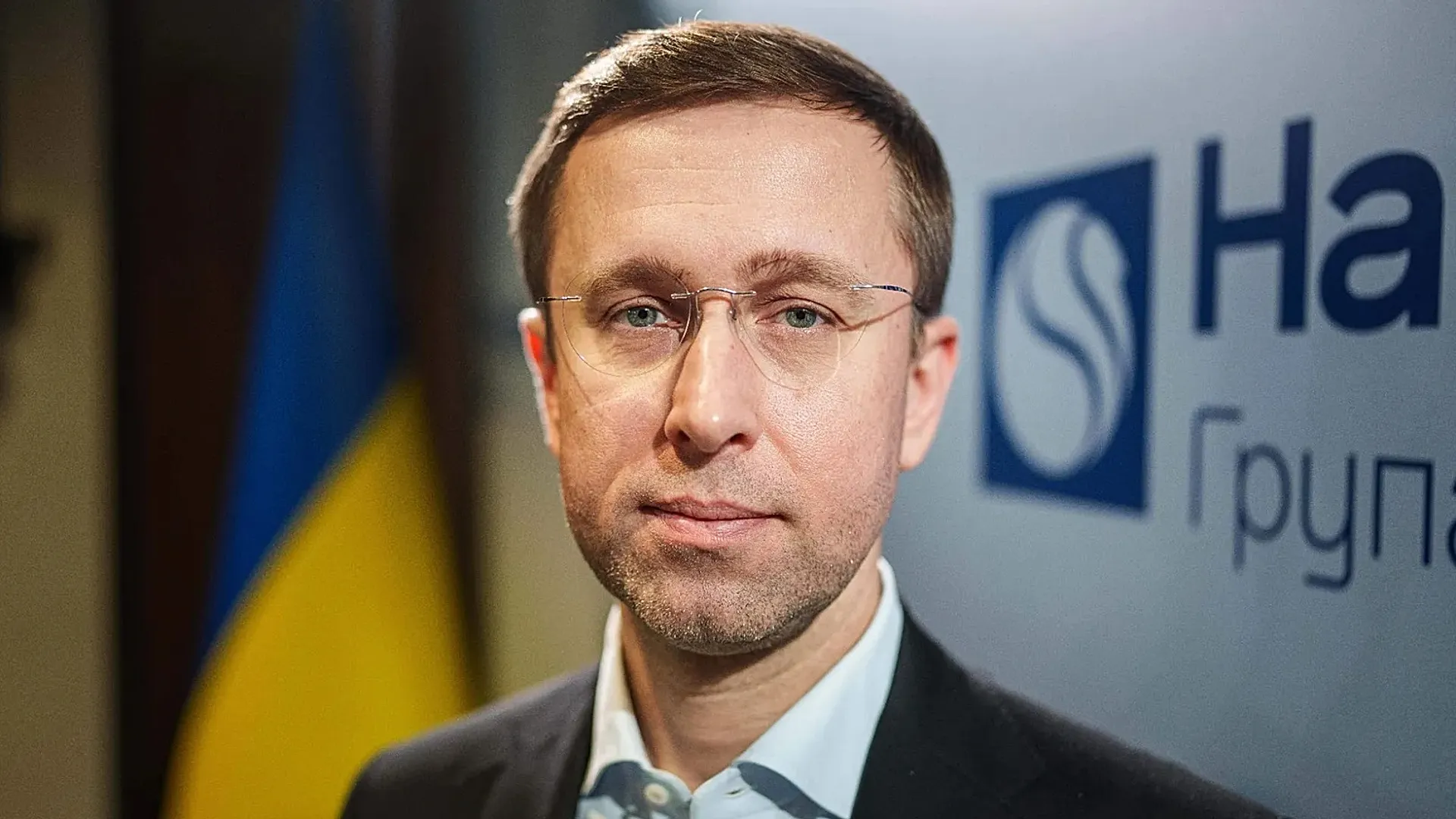
The appointment of Serhii Koretskyi as Ukraine’s new prime minister marks a pivotal moment for the nation, particularly as it braces for what many anticipate will be its most challenging winter yet. His nomination by President Volodymyr Zelenskyy on July 15, while initially overshadowed by ongoing developments within the Defence Ministry, has come into sharper focus given the critical energy challenges facing the country. Koretskyi’s extensive background in the energy sector, specifically his leadership at the state-owned Naftogaz since May 2025, positions him as a central figure in Kyiv’s efforts to stabilize its power infrastructure under persistent external pressure.
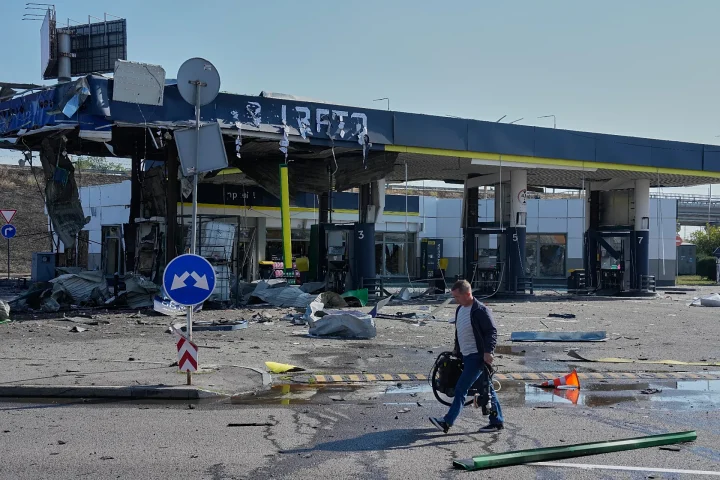
Ukraine’s energy network has been a primary target of sustained attacks, leading to widespread disruptions and power outages during previous cold seasons. Preparing the system for the impending winter has been declared a top priority by Kyiv, recognizing the severe humanitarian and economic consequences of a degraded power grid in freezing temperatures. David Arakhamia, head of Zelenskyy’s Servant of the People faction in parliament, underscored Koretskyi’s value, stating his experience “will be invaluable, especially now as Ukraine prepares for what could be the most difficult winter in its history.” This sentiment reflects a broader national anxiety about energy security, a concern that Koretskyi is now tasked with directly addressing.
Koretskyi’s career trajectory reveals a deep familiarity with both the private and state-controlled facets of Ukraine’s energy landscape. Before his tenure at Naftogaz, he built a solid foundation within the private energy industry. This experience provided him with an understanding of market dynamics and operational efficiencies, knowledge that would later prove crucial. His leadership extended to other significant state-owned energy firms, Ukrnafta and Ukrtatnafta, from 2022 to 2025. This period was particularly formative, coinciding with the full-scale invasion and an increased emphasis by Kyiv on solidifying control over strategic national assets. His time managing these entities during a period of intense conflict undoubtedly honed his crisis management skills.
His formal assumption of the chief executive role at Naftogaz in May 2025, following his appointment by the company’s supervisory board, placed him directly at the forefront of maintaining Ukraine’s energy infrastructure. His efforts there were largely concentrated on ensuring the functionality of critical production facilities, often under the constant threat of strikes. This hands-on experience in safeguarding energy resources amidst active conflict zones offers a unique perspective as he transitions to the prime ministerial role, where strategic oversight of the entire nation’s resilience will be paramount.
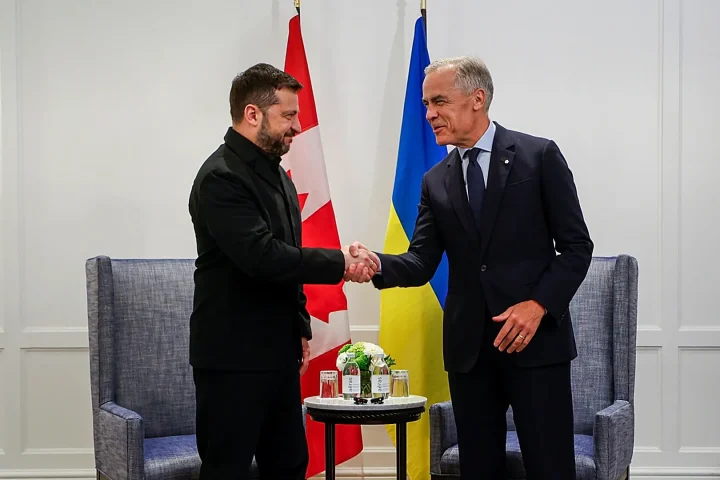
The timing of Koretskyi’s elevation to prime minister also suggests a heightened focus on international collaboration and resource mobilization. His recent presence alongside President Zelenskyy at the NATO summit in Ankara, Turkey, hints at the diplomatic dimensions of his new role. Engaging with international partners for support, both financial and technical, will likely be a significant component of his agenda as Ukraine seeks to bolster its defenses against future energy infrastructure attacks and secure necessary supplies for the coming months. The challenges ahead are multifaceted, encompassing not only the physical repair and reinforcement of energy systems but also the strategic navigation of international relations to ensure sustained stability.